In a world that pushes you to grind nonstop, the idea of true rest feels like a distant dream. You chase goals, juggle tasks, and ignore the quiet pull toward calm. But what if comfort became your main goal?
A lifestyle focused on comfort isn’t about slacking off. It’s about making smart choices that let you recharge and enjoy life more. This guide walks you through steps to shape your space, habits, and thoughts for lasting ease. You’ll get real tips to build well-being that fits your days.
Mastering the Physical Environment for Instant Ease
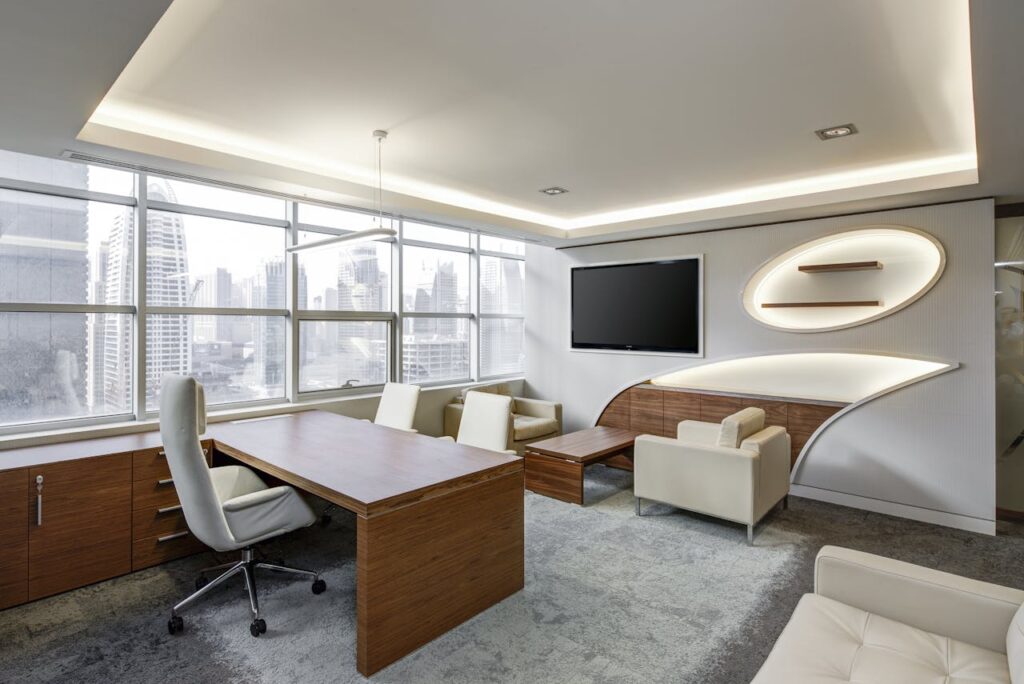
Your surroundings shape how you feel each day. A cluttered or harsh space drains energy fast. By tweaking your home, you create spots that wrap you in calm right away.
Curating Your Home as a Personal Retreat
Turn your place into a haven that soothes the body and mind. Start with simple changes that reduce stress and increase comfort.
Think of your home as a soft blanket on a chilly night—it should feel just right every time you walk in.
The Science of Sensory Comfort (Sight, Touch, and Sound)
Colors influence how you feel more than most people realise. Soft blues and greens calm the mind, similar to the effect of a cool breeze on warm skin. Studies show these colours can reduce heart rate and help the body relax faster.
Add textures that invite touch. Cotton throws, soft blankets, and wool rugs instantly create warmth and comfort.
Sound also plays a role. White-noise machines that mimic rain or ocean waves help block distractions and signal your brain that it’s time to unwind.
Finally, add “soft edges” to your decor. Round pillows and curved furniture avoid sharp visual lines and create a more welcoming environment.
Ergonomics: Investing in Your Daily Support System
Comfort also comes from physical support.
A quality chair with lumbar support keeps your back comfortable during long work sessions. Pair it with a standing desk so you can easily switch positions throughout the day.
Mattresses matter as well. Memory foam mattresses mould to your body shape and reduce nighttime tossing and turning.
Supportive indoor footwear can also prevent aches from hard flooring.
If you work from home, investing in ergonomic equipment can significantly improve comfort and reduce long-term strain.
Decluttering for Mental Clarity: The Aesthetics of Space
Clutter overwhelms the brain in the same way having too many browser tabs open slows a computer. Research from Princeton University shows clutter can increase stress hormones and make it harder to focus.
Start with small areas first.
Clear your bedside table so it holds only essentials like a lamp and a book. This simple setup creates a calm bedtime routine.
If you have a reading corner, keep it minimal with just a chair, side table, and blanket. Use storage bins to hide items you don’t need daily.
Sort belongings into three categories: keep, donate, and discard. Tackle one area per day to prevent overwhelm. Over time, open space will bring clarity and calm to your home.
Engineering Comfort into Daily Routines
Once your environment supports relaxation, the next step is shaping your daily routines to do the same. When rest becomes part of your schedule, busy days feel far more balanced.
Building Slow Moments: Routines That Serve You, Not the Clock
Time can easily control your life if you let it. Instead, create routines that support your needs and energy levels.
Deliberately slowing down allows you to enjoy the day rather than rush through it.
The Power of the Intentional Transition Ritual
Sudden shifts between work and personal life can increase stress. Transition rituals help your brain switch modes smoothly.
For example, take a short 10-minute walk after finishing work. This simple habit helps clear your mind.
You might also try a “digital sunset” routine. Dim screens an hour before bed and drink herbal tea to signal that it’s time to wind down.
Even mornings can benefit from slower rituals. Prepare coffee calmly without checking your phone. These small moments create a peaceful rhythm for your day.
Strategic Scheduling: Prioritising “White Space”
Overloaded schedules leave no room for rest.
Instead, deliberately leave empty blocks of time in your calendar. Use them for lunch breaks, short walks, or quiet moments.
Time-blocking apps can help protect these breaks.
You can also follow the “One In, One Out” rule. When adding a new commitment, remove an existing one. This keeps your schedule manageable and prevents burnout.
Automating the Mundane to Free Up Mental Energy
Small tasks consume more mental energy than we realise.
Automating them can significantly reduce stress.
For example:
- Schedule grocery deliveries for regular items.
- Use subscription services for toiletries and household essentials.
- Automate bill payments through banking apps.
Tools like robot vacuum cleaners can also handle routine cleaning tasks automatically.
Reducing decision fatigue allows you to focus on meaningful activities instead.
The Inner Landscape: Comfort in Mindset and Connection
External changes help, but lasting comfort also depends on your mindset and relationships. When your thoughts and emotional habits support calmness, daily life becomes far more peaceful.
Cultivating Mental Resilience and Emotional Ease
Stress often begins in the mind. Learning how to manage it is key to long-term comfort.
By developing healthy mental habits, you create emotional stability that supports your overall well-being.
Embracing “Good Enough”: Letting Go of Perfectionism
Perfectionism steals peace of mind.
Instead, aim for “good enough.” Psychologists refer to this approach as satisficing, where you choose an option that works rather than chasing perfection.
Practicing self-compassion is also important. Treat yourself with the same kindness you would offer a friend.
Let go of all-or-nothing thinking. A simple homemade meal is still better than skipping dinner entirely. Accepting imperfect progress can bring immediate relief.
The Art of Mindful Disengagement from Digital Noise
Constant notifications and digital distractions can overwhelm the mind.
Set boundaries with your technology. Turn off non-essential notifications, especially during meals or relaxation time.
Consider scheduling regular digital detox periods. Spending one day each week away from screens allows your brain to rest and recharge.
Checking messages at designated times instead of constantly responding can also reduce anxiety and improve focus.
Setting and Protecting Personal Boundaries
Boundaries protect your time and emotional energy.
At work, you might say:
“I finish work at 5 p.m., so I’ll respond to emails tomorrow morning.”
In personal relationships, you might explain:
“I need some quiet evenings during the week to recharge.”
Clear boundaries prevent resentment and allow you to maintain your sense of balance.
Sustaining Comfort Through Nourishment and Movement
Physical well-being supports everything else. When your body feels good, your mind and environment become easier to manage.
Fueling Your Body for Effortless Well-Being
Nutrition plays a major role in energy and comfort.
Choose foods that nourish you without making eating feel stressful. Balanced meals help maintain steady energy levels throughout the day.
Intuitive Eating for Enjoyable Nutrition
Instead of strict diet rules, intuitive eating encourages you to listen to your body’s hunger signals.
Prepare simple foods you enjoy, such as vegetable stir-fries, fresh fruit bowls, or smoothies.
Cooking can become a relaxing ritual when you play music and enjoy the process.
Research shows intuitive eating may reduce emotional eating and improve overall well-being.
Movement as Pleasure, Not Punishment
Exercise should feel enjoyable, not forced.
Choose activities you genuinely like. A relaxed walk in the park, light stretching, or yoga can all support physical and mental health.
Practices like Yin yoga allow deep stretching and relaxation, making them perfect for evenings.
Even 30 minutes of enjoyable movement most days can improve mood, sleep quality, and energy levels.
Hydration and Restorative Sleep
Hydration keeps your body functioning smoothly. Aim to drink water throughout the day. Adding lemon or fruit slices can make it more appealing.
Sleep is equally important.
Create a restful sleep environment with blackout curtains and a cool room temperature.
Avoid screens before bed and replace them with relaxing activities like reading.
The National Sleep Foundation recommends seven to nine hours of sleep each night for optimal health and well-being.
Living the Comfort-Centred Life
A comfort-focused lifestyle rests on three key pillars: environment, routines, and mindset.
Design your living space for calm. Build daily habits that protect your energy. Develop a mindset that prioritises balance and self-compassion.
Support these pillars with nourishing food, enjoyable movement, and restorative sleep.
Comfort is not something that happens by chance. It’s something you intentionally create.
Start small today. Declutter one shelf, schedule fifteen minutes of quiet time, or take a short walk.
Over time, these small actions build a life that feels calmer, healthier, and far more enjoyable.
 The Benefits of Heat Therapy for Body and Mind
 Low-Maintenance Garden Ideas for Busy People
 How to Make Your Home More Energy Efficient with Technology
 How to Design a Lifestyle Focused on Comfort