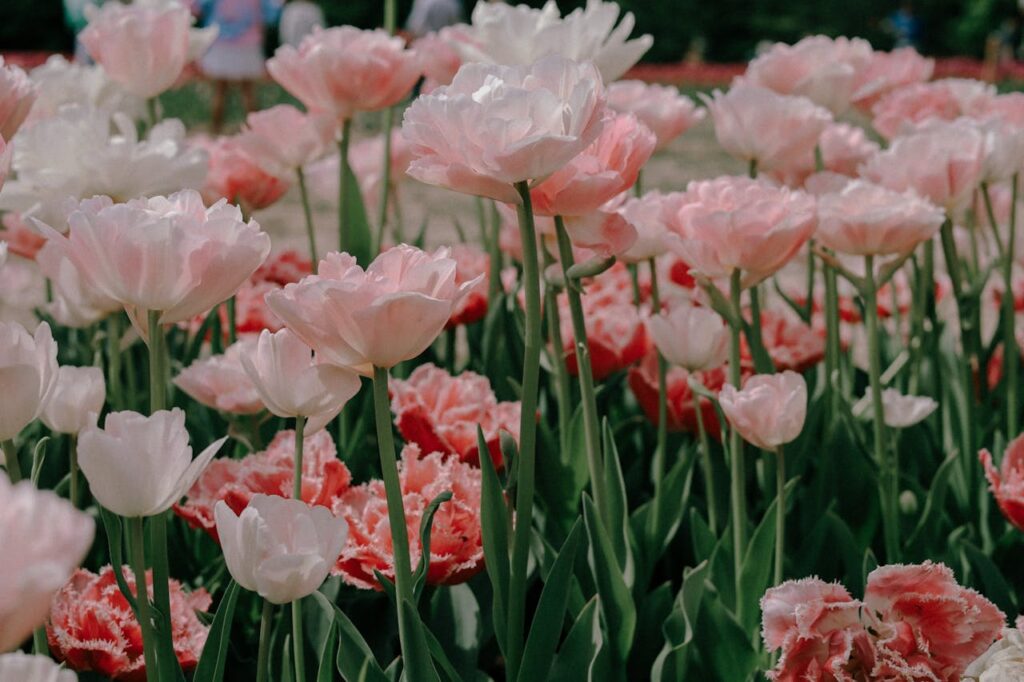
A beautiful garden does not require endless hours of pruning, watering, and seasonal replanting. With the right strategy, plant selection, and structural planning, it is entirely possible to create a visually striking outdoor space that demands minimal upkeep.
Low-maintenance garden ideas for busy people focus on efficiency, durability, and smart design choices that reduce ongoing labour while preserving aesthetic appeal.
A well-planned garden emphasises drought-resistant plants, automated irrigation, hardscaping, and simplified layouts. The goal is simple: maximise enjoyment while minimising maintenance.
This guide explores practical and effective ways to design a sustainable garden that stays attractive without requiring constant work.
Strategic Garden Planning for Minimal Upkeep
Thoughtful planning is the foundation of a low-maintenance garden. A simple and structured design significantly reduces the time required for ongoing care.
Design with Simplicity in Mind
Complex garden layouts increase maintenance demands. Intricate flower beds, delicate plant varieties, and large lawns require regular attention.
Instead, aim for a simplified layout with:
- Defined garden zones
- Clean lines and pathways
- Structured planting beds
Large planting blocks are easier to maintain than scattered individual plants. Grouping plants with similar water and soil needs also simplifies irrigation and fertilisation.
Choose a Functional Garden Layout
A functional layout improves accessibility and reduces maintenance effort.
Wide garden pathways prevent soil compaction and protect plant roots. Raised beds make planting easier to manage while improving drainage.
Raised planting areas also reduce weed growth and limit soil erosion, making long-term maintenance far simpler.
Drought-Resistant Plants for Easy Gardening
Choosing the right plants is one of the most important decisions when creating a low-maintenance garden.
Opt for Native and Hardy Plant Varieties
Native plants are naturally adapted to the local climate and soil conditions. Because of this, they require less water, fertiliser, and pest control.
Popular hardy perennials include:
- Lavender
- Ornamental grasses
- Sedum
- Coneflowers
Evergreen shrubs such as boxwood, juniper, and holly provide year-round greenery and structure without needing seasonal replanting.
Choose Perennials Instead of Annuals
Annual flowers need to be replanted every season, which increases both labour and cost.
Perennials return each year with minimal effort. Once established, they require only occasional pruning and seasonal clean-up.
Ground cover plants such as creeping thyme and vinca also help suppress weeds and reduce exposed soil areas.
Low-Maintenance Lawn Alternatives
Traditional lawns require mowing, watering, and fertilising. Fortunately, several attractive alternatives reduce maintenance significantly.
Artificial Turf for a Consistently Green Lawn
Artificial turf eliminates mowing and watering entirely.
Modern turf products look realistic and remain green throughout the year. They are also durable and weather-resistant, making them ideal for busy homeowners.
Gravel and Decorative Stone Landscaping
Gravel gardens provide a modern, minimalist appearance while requiring very little maintenance.
Decorative stones combined with drought-tolerant plants create an attractive landscape without the need for regular mowing.
Installing landscape fabric beneath gravel prevents weed growth and reduces long-term upkeep.
Clover and Moss Lawns
Clover lawns require far less mowing and fertiliser than traditional grass lawns.
They also remain green during dry conditions.
Moss lawns are another excellent option for shaded areas. They require no mowing and thrive in low-light environments.
Smart Irrigation Systems for Efficient Watering
Automated watering systems reduce manual labour while ensuring plants receive the correct amount of water.
Automated Drip Irrigation
Drip irrigation systems deliver water directly to plant roots.
This method reduces evaporation and prevents water waste. Automated timers allow watering schedules to run consistently without manual intervention.
As a result, plants stay healthier and water bills are reduced.
Rain Sensors and Weather-Adaptive Systems
Smart irrigation systems can also adjust watering schedules based on weather conditions.
Rain sensors pause watering during wet periods, preventing overwatering and unnecessary water consumption.
Mulching Techniques to Reduce Weeds and Watering
Mulch plays an important role in maintaining a healthy and low-maintenance garden.
Organic Mulch for Soil Health
Organic mulch materials such as bark, compost, or wood chips help retain soil moisture and reduce weed growth.
Mulch also regulates soil temperature, protecting plant roots from extreme heat or cold.
Applying a 2–3 inch mulch layer significantly reduces evaporation and watering frequency.
Inorganic Mulch Options
Stone or rubber mulch provides long-lasting weed control and requires very little replacement.
These materials also maintain a consistent appearance throughout the year.
Hardscaping for Long-Term Durability
Hardscaping elements reduce the amount of plant care required while enhancing the overall design of the garden.
Patios and Paved Areas
Expanding patio spaces reduces the number of areas that require planting and maintenance.
Materials such as stone, concrete, and composite decking are durable and require very little upkeep compared to grass lawns.
Outdoor features such as seating areas, fire pits, and dining spaces transform the garden into a functional extension of the home.
Raised Planters and Retaining Walls
Raised planters improve drainage and make plant management easier.
Retaining walls also help control soil movement and erosion while adding architectural structure to the garden.
Hardscaping elements combine practicality with long-lasting visual appeal.
Low-Maintenance Garden Borders and Edging
Well-defined borders help maintain a neat appearance while reducing ongoing trimming work.
Defined Edging for Cleaner Lines
Edging materials such as metal, stone, or durable plastic create clear separation between planting areas and walkways.
Defined borders prevent grass and weeds from spreading into garden beds.
They also give the garden a polished, organised look.
Evergreen Border Plants
Evergreen shrubs planted along borders maintain structure and colour throughout the year.
Because these plants grow slowly, they require minimal pruning to maintain their shape.
Container Gardening for Busy Lifestyles
Container gardening offers a flexible and easy way to grow plants with minimal effort.
Portable and Controlled Growing Spaces
Containers limit weed growth and simplify soil management.
Pots can also be moved easily to adjust sunlight exposure throughout the day.
Self-watering containers help maintain consistent moisture levels, reducing daily watering tasks.
Low-Care Plant Selections for Containers
Some plants thrive in containers with very little attention, including:
- Succulents
- Ornamental grasses
- Hardy herbs such as rosemary and thyme
These plants tolerate occasional neglect and still maintain their appearance.
Minimal Pruning and Low-Growth Plants
Selecting slow-growing plants reduces the need for frequent trimming.
Compact Shrubs and Slow-Growing Varieties
Dwarf shrubs and compact ornamental trees naturally maintain their shape.
Japanese maple varieties and dwarf conifers provide structure and visual interest while requiring minimal pruning.
Ornamental Grasses for Year-Round Appeal
Ornamental grasses add movement and texture to the garden.
Most varieties require trimming only once per season, making them ideal for low-maintenance landscapes.
Weed Prevention Strategies
Preventing weeds from growing is far easier than constantly removing them.
Landscape Fabric Installation
Landscape fabric placed beneath mulch or gravel helps suppress weed growth while still allowing water to reach plant roots.
This significantly reduces the amount of manual weeding required.
Dense Planting Techniques
Planting ground covers closely together reduces open soil areas where weeds typically grow.
Dense planting blocks sunlight from reaching weed seeds, preventing germination.
Low-Maintenance Garden Lighting
Outdoor lighting improves safety and ambience while requiring very little upkeep.
Solar-Powered Garden Lights
Solar lights are easy to install and require no electrical wiring.
They charge during the day and illuminate pathways or garden features at night while keeping energy costs low.
LED Landscape Lighting
LED lighting systems provide long lifespans and excellent energy efficiency.
Strategically placed lighting highlights pathways, plants, and architectural elements.
Simplifying Seasonal Garden Care
A well-designed low-maintenance garden reduces the need for frequent seasonal changes.
Minimal Seasonal Replanting
Evergreen plants and hardy perennials maintain structure throughout the year.
Decorative containers can be updated occasionally for seasonal variety without requiring major garden changes.
Simple Autumn and Spring Maintenance
Seasonal maintenance tasks usually include:
- Removing fallen leaves
- Trimming perennials
- Refreshing mulch layers
These simple tasks keep the garden looking fresh with minimal effort.
Sustainable Practices for Long-Term Efficiency
Sustainability strategies help maintain a healthy garden while reducing resource use.
Rainwater Harvesting Systems
Rain barrels collect natural rainfall that can be reused for garden irrigation.
This reduces water consumption and lowers utility costs.
Composting for Soil Enrichment
Home composting converts organic waste into nutrient-rich soil amendments.
Healthy soil supports stronger plants and reduces reliance on chemical fertilisers.
Creating an Attractive Yet Practical Outdoor Space
Low-maintenance garden ideas for busy people prioritise smart design over constant labour.
A combination of drought-resistant plants, raised beds, gravel pathways, automated irrigation, and solar lighting creates an outdoor space that looks beautiful year-round.
Automation tools further simplify watering and routine care, allowing homeowners to enjoy their garden rather than constantly maintain it.
Conclusion: A Garden Designed for Efficiency and Beauty
A low-maintenance garden does not mean sacrificing style or visual impact.
Through careful planning, thoughtful plant selection, and the use of modern technology, busy homeowners can create an outdoor space that remains attractive and functional with minimal effort.
By incorporating drought-tolerant plants, smart irrigation systems, durable hardscaping, and effective weed prevention strategies, the modern garden becomes a practical, elegant, and highly manageable landscape.
 The Benefits of Heat Therapy for Body and Mind
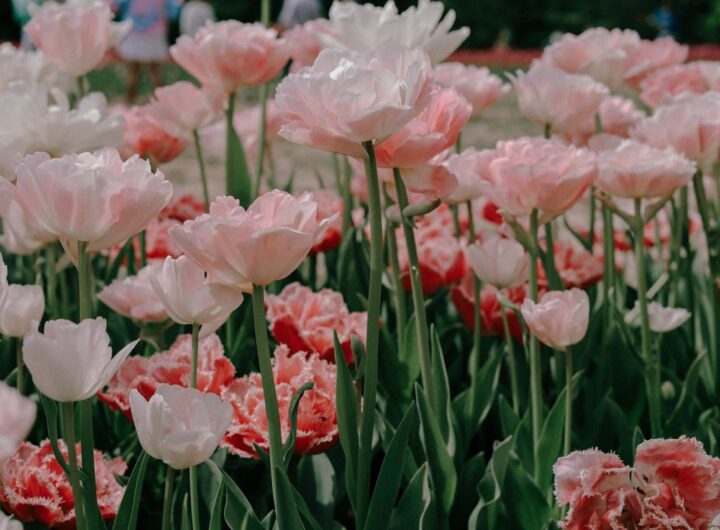 Low-Maintenance Garden Ideas for Busy People
 How to Make Your Home More Energy Efficient with Technology
 How to Design a Lifestyle Focused on Comfort